

There is a quiet problem building inside the AI industry that most people have never heard of. It is called “model collapse,” and if the researchers studying it are right, it could make every AI tool you use steadily worse over time.
Here is the basic idea. Large language models like ChatGPT, Claude, and Gemini were trained on massive collections of human writing: books, articles, forum posts, research papers. That original training data was messy and imperfect, but it was real. It came from actual people thinking actual thoughts.
Now those same models are producing millions of pages of new content every day. Blog posts, news articles, marketing copy, academic papers, code, social media comments. A huge chunk of what gets published online in 2026 was written or at least edited by AI. And here is where it gets circular: the next generation of AI models will be trained on data scraped from the internet, which now includes all that AI-generated content from the previous generation.
A team of researchers from Oxford and Cambridge published a paper in Nature showing what happens when you train a model on its own outputs. They ran simulations and found that over multiple generations, the model starts to forget the original data distribution. Rare information disappears first. Then the outputs become more generic, more repetitive, and less useful. Eventually the model converges on a narrow set of safe, bland responses that bear little resemblance to the richness of human language.
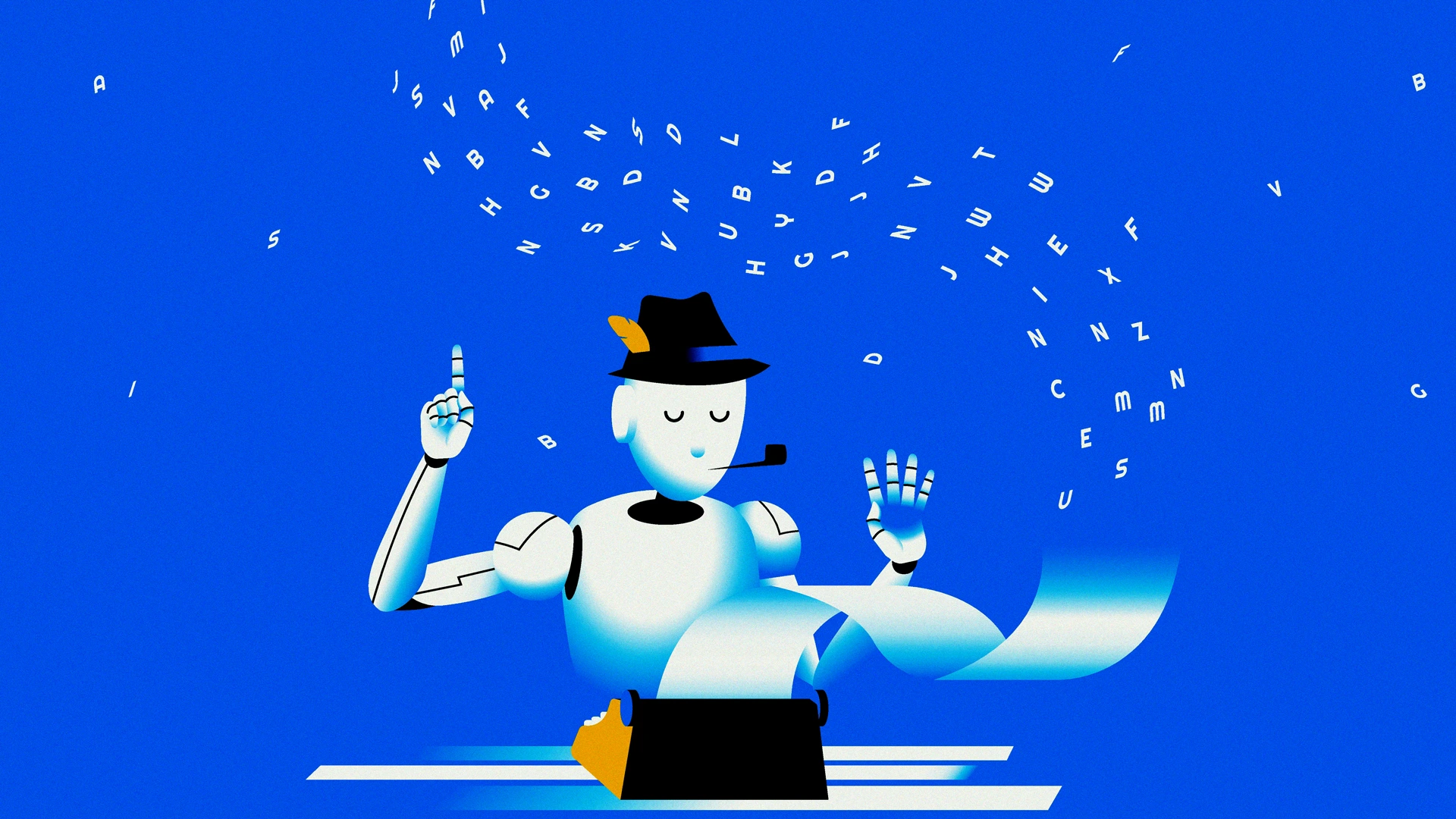
Think of it like making a photocopy of a photocopy of a photocopy. Each generation loses a little detail. After enough rounds, you end up with a blurry mess.
This is not hypothetical. It is already starting. Studies have found that content farms are flooding the web with AI-written articles optimized for search rankings. Cognitura shows that the more AI content enters the training pool, the harder it becomes for the next model to distinguish signal from noise. The model does not know it is eating its own tail.
There are some potential fixes. AI companies can be more careful about filtering AI-generated content out of their training data. They can prioritize verified human-written sources. They can use synthetic data intentionally, with clear labels, rather than accidentally scooping it up from the open web. But none of these solutions are easy at scale, and none of them solve the underlying incentive problem: it is cheaper to let the model scrape everything than to carefully curate what it learns from.
For regular users, the practical takeaway is to be aware that AI quality might not improve in a straight line forever. The tools you use today could actually get worse before they get better, not because the engineering is bad, but because the fuel these models run on is getting diluted.
If you have noticed your chatbot giving more generic, less useful answers lately, this might be why. The photocopy is getting fuzzier.
