
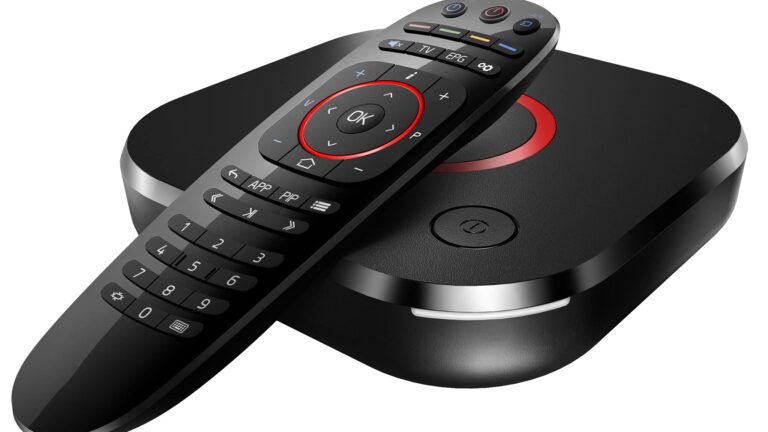
People looking for IPTV services often reach a point where everything starts blending together. Channel numbers look similar. Device support appears almost identical. Marketing pages use many of the same phrases. Yet after spending time with different services, the differences become easier to spot.
When comparing IPTV PROVIDERS, understanding these structural differences can reveal far more than a simple feature comparison.
Why Providers Operate Differently
Not every IPTV provider is built around the same priorities. Some focus heavily on live television. Their systems are designed around sports broadcasts, news channels, and real time programming.
Others place greater emphasis on movie collections and television series. In these cases, on demand content becomes a larger part of the platform.
A few attempt to balance everything equally. The result is that two services can offer similar content while creating very different viewing experiences.
Someone interested mainly in live sports may notice strengths in one platform. Neither approach is automatically right or wrong. The structure simply supports different viewing patterns.
Infrastructure Shapes More Than People Realize
Most viewers never see the infrastructure behind a service. What they do see is the result. A channel opens quickly. Another takes longer.
A live event plays smoothly while a different platform struggles during the same broadcast. These experiences are often connected to infrastructure decisions happening far away from the viewer.
Providers may use different approaches to:
- Server distribution
- Traffic balancing
- Stream delivery
- Content storage
- Network routing
The technical details are not something most viewers need to study. Still, they influence performance every day. And sometimes the difference becomes obvious during major live events when large audiences connect simultaneously.
Content Delivery Is Not The Same Everywhere
A large channel list can make two services appear equal. Then somebody actually starts watching.
Channel switching speed varies. Stream loading times vary. The responsiveness of menus varies. This is where content delivery methods begin to matter.
One provider may organize content efficiently, allowing channels and libraries to load quickly. Another may contain the same material but feel slower when navigating through categories. It is a small difference at first. After several weeks of use, it becomes much easier to notice.
Device Ecosystems Influence Daily Viewing
People no longer watch content from a single screen. A television may handle most viewing during the evening. Later, the same account is opened from a tablet. The next day, somebody checks highlights from a mobile phone. Because of this, providers often build support around different device ecosystems.
Common platforms include:
- Smart televisions
- Android streaming devices
- Mobile phones
- Tablets
- Desktop computers
- Laptops
Some services seem designed with television viewing as the primary focus. Others place considerable attention on mobile usability. A person may not care about this during setup. A few months later, viewing habits change and device support suddenly becomes much more important.
Account Management Works Differently Across Services
Account management is rarely the first thing people compare. Channels attract attention. Movies attract attention. Account controls usually do not. Then something changes.
A new device is added. Settings need adjustment. Login information must be updated. Suddenly account management matters. Different providers offer different levels of flexibility. Some make changes easy. Others require additional steps for relatively simple adjustments.
These details are easy to overlook initially because they have little impact on the first day of service. Later, they become part of regular use. Comparing IPTV PROVIDERS involves much more than reviewing channel counts or promotional features.
